03Service
Looks like the feed.Because itbelongs there.
UGC is not a cheaper ad. It is a different kind of asset: made by one person, for one platform, to survive the first second of a scroll. We produce it at the volume performance media actually needs, with the rights already cleared.
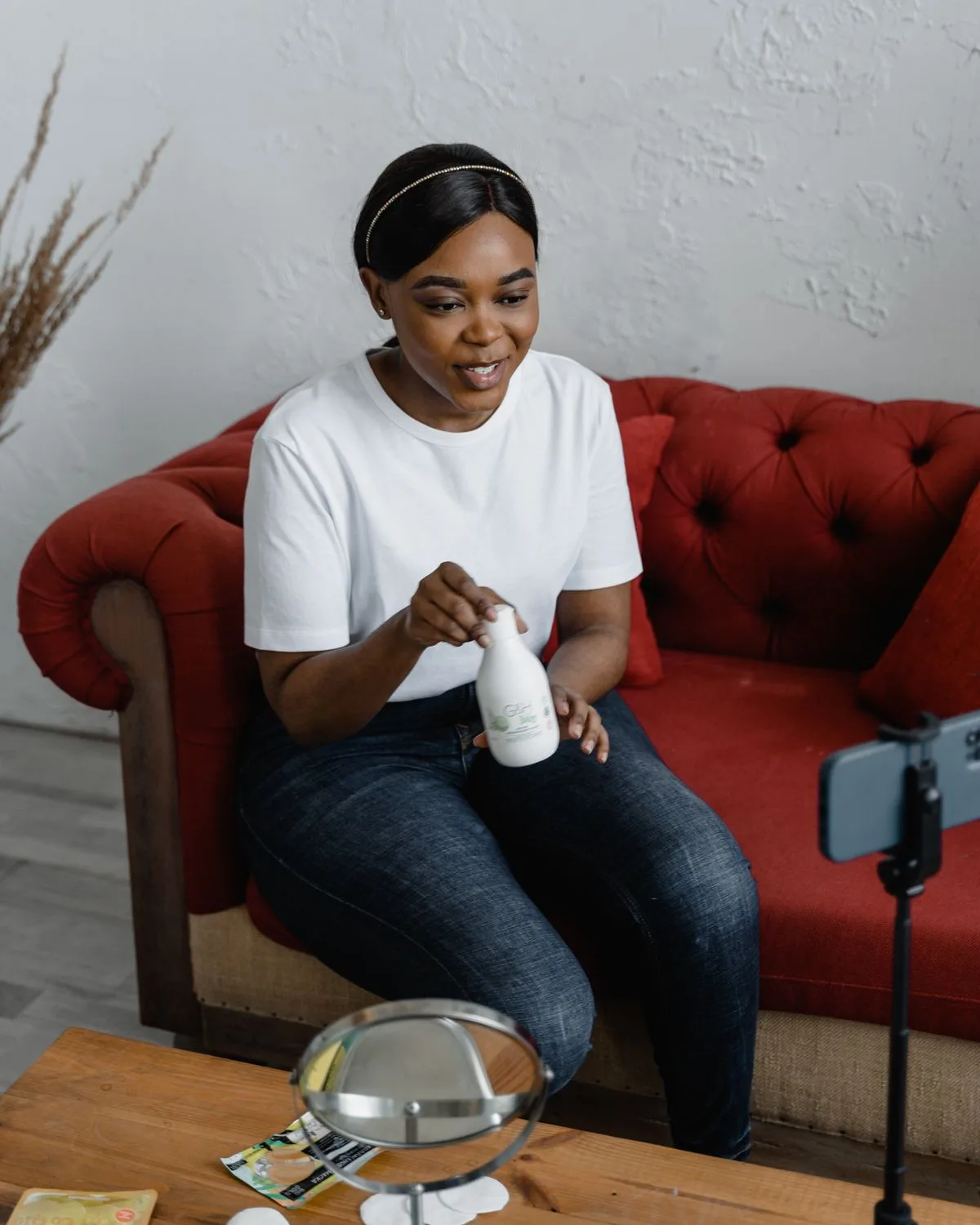
Performance teams run out of creative long before they run out of budget
A paid social account burns through creative faster than any brand studio can refill it. Frequency climbs, click-through falls, and the fix arrives as another polished film that looks like an ad in a feed full of people talking to a phone. Meanwhile the assets that do work cannot be scaled because nobody bought the rights.
- 01Two hero films and nothing to test against them
- 02Creative fatigue inside three weeks on a scaled budget
- 03Winning organic posts that cannot be boosted because usage was never negotiated
How the work actually runs.
AApproach
- 01
Start from the hook, not the script
We write and test openings before anything is shot. A UGC asset earns the next second or it does not exist, so the first line, the first frame and the on-screen text matter more than the production value.
- 02
Cast for credibility, not audience
UGC creators are chosen for how they hold a camera and how believable they are with the product, not for follower count. Many of the best have small audiences; they are being hired as talent.
- 03
Produce in matrices
One product, several angles: problem-solution, demonstration, comparison, testimonial, unboxing, day-in-the-life. Each shot in enough variants that the media team can test hook against hook rather than film against film.
- 04
Clear the rights on day one
Paid usage, duration, territory and whitelisting are part of the booking, not a renegotiation after something performs.
- 05
Feed the results back
Media data tells us which hooks and formats are winning; the next production batch is built from that, not from a mood board.
What you get.
BIncluded
- Hook and script matrix
- Written openings and angles mapped to the funnel stage each asset is for.
- Creator casting
- UGC talent chosen for delivery and category credibility, with a paid-usage agreement in place.
- Production at volume
- Batched shoots, self-shot with direction or studio-supported, depending on the product.
- Editing and versioning
- Vertical-first edits with captions, aspect variants and cutdowns for each placement.
- Usage rights
- Paid social rights as standard, with organic, site and retail usage available.
- Performance feedback loop
- Reporting on which hooks and formats performed, feeding the next batch.
Formats this produces
- 01Problem-solution
- 02Demo and how-to
- 03Unboxing
- 04Testimonial
- 05Before and after
- 06Voiceover with b-roll
- 07Green-screen reaction
- 08Text-led scroll-stoppers
What we report against.
CMeasurement
- 01Hook rateViewers past the first three seconds
- 02Click-throughAgainst the account's polished-creative baseline
- 03Cost per acquisitionThe reason UGC exists
- 04Assets per monthVolume the media team can actually test
Targets are set per brief, never quoted from past work
Questions we get asked.
DQuestions
No. UGC creators are hired as talent, not as media. Audience size is irrelevant to how well an asset performs in paid, and paying for reach you are not using inflates the cost per asset.
Connected work
Relevant industries
Ready tobrief thisin?
Tell us the outcome you need from ugc content and we will come back with an approach, the creators it would take and a range.